
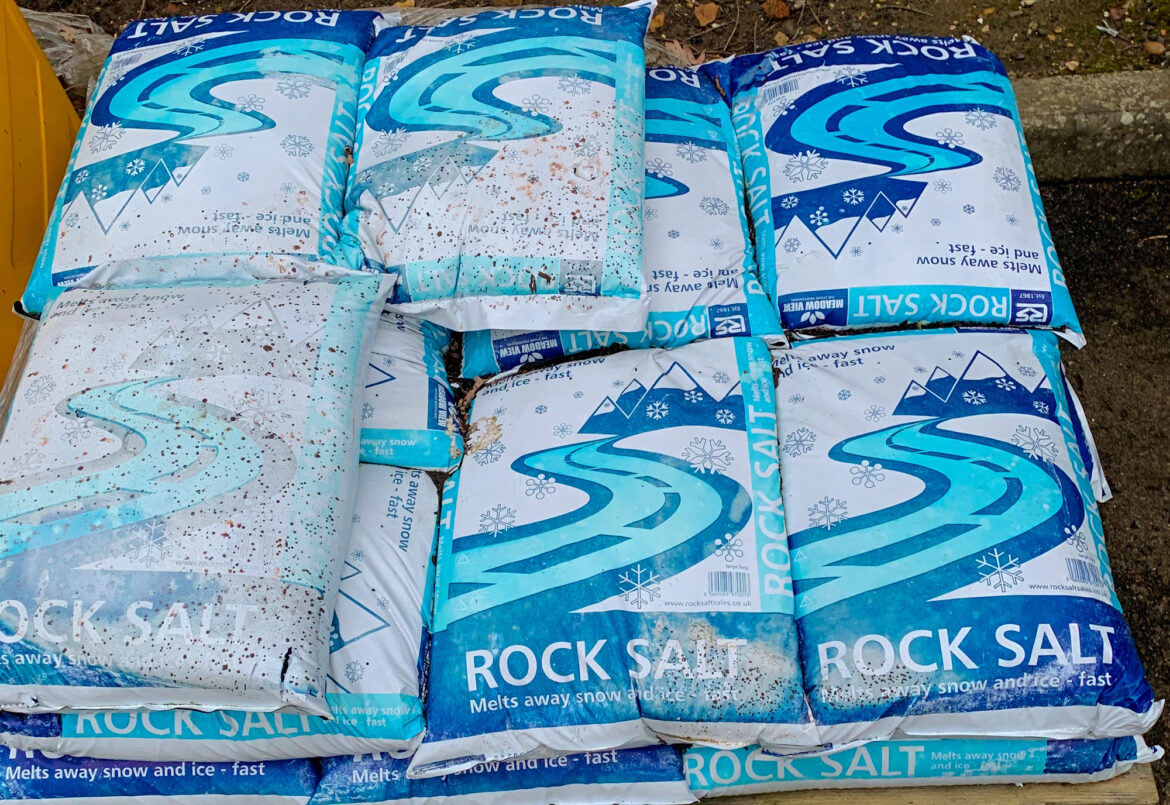
The Hidden Costs of Cheap Road Salt: Why Cutting Corners Isn’t Saving You Money
In the world of snow and ice management, margins are tight and efficiency matters. That’s why it’s tempting to grab the cheapest bulk salt or de-icing products on the market. But here’s the hard truth: that bargain-bin road salt is likely costing you more in the long run.
Cheap doesn’t mean smart. When it comes to road salt, lower upfront costs often hide a trail of hidden expenses—more labor, more product, more wear and tear on your equipment. Let’s break down why saving a few bucks per ton might be the most expensive decision you make this winter.
1. Impurities Dilute Performance
Not all bulk salt is created equal. Low-grade road salt often comes loaded with impurities—clay, sand, or even organic debris. These contaminants do nothing to melt ice, but they still take up space in your spreaders. That means you’re buying, hauling, and applying a material that has less actual melting power per scoop.
Every load of dirty salt adds unnecessary weight to your trucks, reduces melt efficiency, and clogs equipment more easily. You end up spreading more to get the same result. That means more trips, more fuel, and more time your crew spends out in the cold.
2. Inconsistent Granulation Wastes Product
Ever notice how some bags or loads of de-icing products contain a mix of large chunks and powdery residue? That’s a sign of inconsistent granulation—a common issue with cheap road salt. It matters more than you think.
Fine particles can blow away or bounce off surfaces before they do any melting. Oversized chunks dissolve too slowly to be effective in fast-changing conditions. The result? Uneven coverage and inconsistent melt, forcing you to reapply.
Professional landscapers know: reliable granulation means reliable results. When you can’t count on your material to perform consistently, you waste product and time.
3. Lower Melt Efficiency = Higher Application Rates
Road salt functions by lowering the freezing point of water, but not all salt does this equally well. Purity, particle size, and moisture content all affect how efficiently a de-icing product melts ice and snow.
Cheap salt often has lower sodium chloride content and higher moisture levels, which reduce its melting power. That means you need more product to get the job done—sometimes up to 30–50% more.
Let’s do the math:
If you’re using an extra 200–300 pounds per site because your salt underperforms, and you’re running 20 sites a night, that adds up fast. Not just in salt costs, but in loading, spreading, refueling, and man-hours. The “cheaper” salt just blew a hole in your operating budget.
4. Increased Wear on Equipment
Those impurities we mentioned earlier? They’re not just useless—they’re abrasive. Grit and debris in low-quality bulk salt can grind down augers, jam spinner motors, and corrode metal components faster than clean, screened product.
Inconsistent granules also force your spreader to work harder, causing it to jam or overload systems not designed to handle rough material. That translates to more breakdowns, more maintenance, and shorter equipment lifespan.
For contractors relying on every hour of uptime during a storm, downtime is expensive. Paying a little more for higher-grade road salt can protect your gear and keep you in business when the snow hits.
5. More Labor, More Liability
When road salt underperforms, everything slows down. Your crew has to make extra passes, re-treat slippery spots, and monitor conditions more closely. Not only is this inefficient, but it opens the door to liability if someone slips before you can reapply.
Your clients expect clear, safe surfaces. If cheap salt delays results or fails to hold, your reputation—and your contracts—are on the line.
Investing in high-quality de-icing products helps you work faster, deliver better results, and reduce callbacks. That’s a win for your bottom line and your business relationships.
The Real Bottom Line
It’s easy to look at the per-ton price and think cheaper road salt saves you money. But when you factor in extra material usage, higher labor costs, increased equipment wear, and added liability risk, the picture changes fast.
Cutting corners with low-grade road salt may feel like a win at the point of purchase, but the real costs show up on your job sites and in your maintenance logs. Don’t let short-term savings sabotage your long-term performance. Choose smarter de-icing products, and your bottom line will thank you.
Want help sourcing premium bulk salt and de-icing products that deliver real value? Let’s talk. Your next winter season starts with smarter decisions today. Connect with us here at FSI Landscape Supply for bulk salt, sand, de-icing products, and much more.