
When to Choose Sod Over Seed for Spring Installations
Spring is go-time for most landscaping crews. Clients want green lawns fast, schedules are tight, and weather windows can shift quickly. One of the most common decisions contractors face is whether to install sod or go with grass seed. Both have their place, but the choice affects rooting, maintenance demands, and how quickly a project can be turned over.
Here’s a clear breakdown to help you decide when sod is the better call.
Rooting: Speed vs. Establishment Control
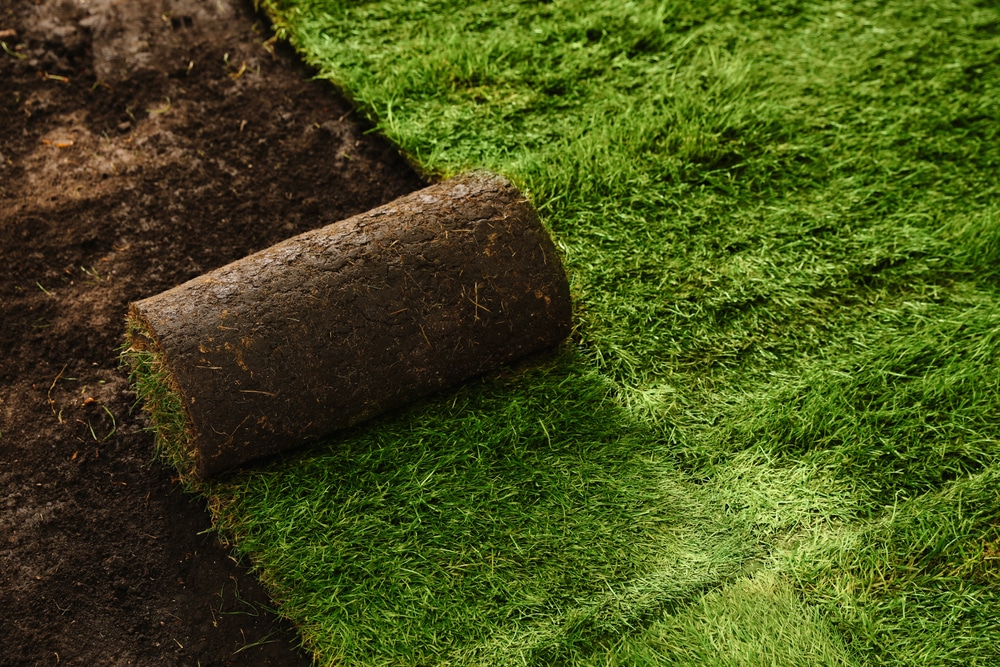
Sod offers immediate ground coverage, but its rooting process is often misunderstood. Fresh sod is essentially mature grass that has been cut from its original soil base. When you install it, the roots need to re-establish themselves in the new topsoil layer below.
Under proper conditions, sod can begin knitting into the soil within 10 to 14 days. Full rooting typically takes a few weeks, depending on moisture, temperature, and soil prep. The key factor here is contact. If the sod isn’t firmly pressed into quality topsoil, rooting will lag or fail.
Grass seed works differently. Instead of re-establishing roots, it develops them from scratch. That means slower visible results, but often stronger long-term integration with the soil profile. Seeded lawns tend to adapt better to site-specific conditions because they grow in place from day one.
When sod makes more sense for rooting:
- You need immediate erosion control on slopes or graded areas
- The site will face foot traffic quickly
- You’re working in a short seasonal window
When seed has the edge:
- Soil conditions vary across the site
- You have time for gradual establishment
- Long-term root depth is a priority
Maintenance: Front-Loaded vs. Extended Care
From a maintenance standpoint, sod and seed shift the workload in different ways.
Sod demands intense short-term attention. For the first couple of weeks, consistent watering is non-negotiable. You’re aiming to keep both the sod and the topsoil beneath it evenly moist without oversaturating. Miss a watering window, especially in warm spring conditions, and you risk shrinkage or dieback.
Once established, sod becomes relatively low-maintenance quickly. Mowing can begin within a couple of weeks, and the lawn starts behaving like a mature surface.
Grass seed spreads the maintenance load over a longer period. You’re looking at daily watering, often multiple times per day, until germination occurs. Then comes a gradual reduction schedule. Weed control becomes more of a factor, too, since bare soil invites competition.
Sod maintenance advantages:
- Faster transition to standard mowing schedules
- Less exposure to weed invasion early on
- Cleaner finish for clients immediately after install
Seed maintenance advantages:
- Lower upfront labor intensity on installation day
- More flexibility in irrigation adjustments over time
- Easier to overseed thin areas later
Project Timelines: Immediate Results vs. Budget Flexibility
For many contractors, timelines drive the decision more than anything else.
Sod delivers instant results. The moment it’s installed, the property looks finished. This is a major advantage for high-visibility projects, real estate listings, or commercial sites with opening deadlines. You can complete a lawn install and move on without waiting weeks for germination.
Seed, on the other hand, requires patience. Even in ideal spring conditions, you’re looking at 2 to 4 weeks before you see consistent growth, and longer before the lawn fills in completely. That can delay project sign-off or require return visits.
However, budget plays a role. Sod has higher material and transportation costs. When large areas are involved, that difference adds up quickly. Seed offers a more cost-effective option, especially for expansive properties where immediate visual impact isn’t critical.
Choose sod when:
- The client needs a finished look right away
- You’re working against a tight deadline
- Site access may become limited later
Choose seed when:
- Budget constraints are a concern
- The project timeline allows for growth
- You’re covering large areas efficiently
Soil Preparation: The Deciding Factor Most Crews Overlook
No matter which option you choose, success starts with proper topsoil preparation. This is where many installs succeed or fail.
For sod, the topsoil layer should be level, lightly compacted, and free of debris. A thin, loose surface helps roots penetrate, but too much softness can create air gaps. Rolling the sod after installation ensures solid contact.
For grass seed, topsoil needs to be slightly looser to allow seed-to-soil contact. Raking or lightly tilling the surface improves germination rates. Inconsistent soil prep often leads to patchy growth, which then requires overseeding.
Spring conditions can make this tricky. Wet soils are common, and working them too early can cause compaction issues that affect both sod and seed performance.
A Practical Way to Decide on Site
Instead of defaulting to one method, assess each job based on three questions:
- How quickly does the lawn need to look finished?
If the answer is “immediately,” sod is the clear choice. - What level of follow-up maintenance is realistic?
If irrigation and monitoring will be limited, sod reduces long-term risk. - What’s the condition of the topsoil?
If soil prep is less than ideal, seed may adapt better over time.
Sod isn’t always the premium choice, and grass seed isn’t always the budget fallback. Each option is best suited to particular situations based on site conditions, timeline, and client needs.
For spring installations, sod stands out when speed, presentation, and early usability matter. It gives contractors control over timelines and reduces uncertainty in the early stages of a project. Seed remains a strong option when time and budget allow for a slower, more natural establishment process.
The best crews don’t treat this as a default decision. They evaluate the conditions, match the method to the job, and prepare the topsoil properly. That’s what separates a lawn that just looks good at install from one that performs well months down the line.