
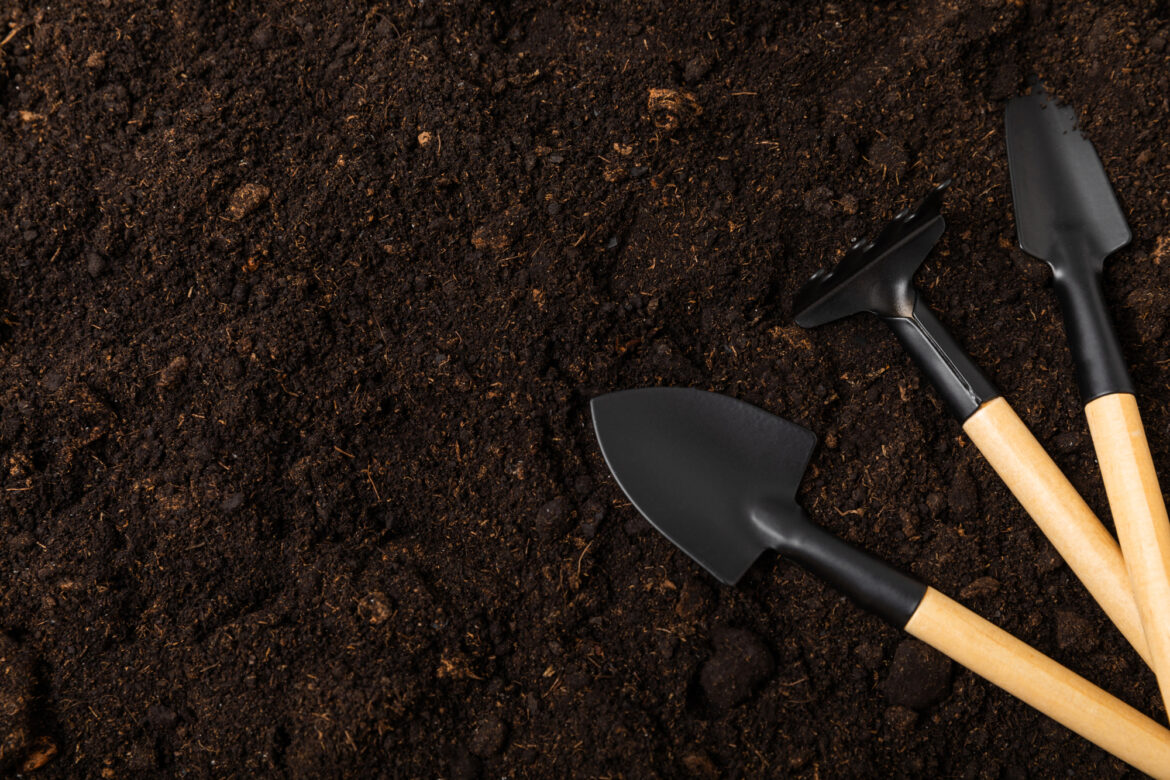
Preparing Soil with Topsoil for Premium Spring Planting
For landscaping professionals, spring soil preparation sets the ceiling for everything that follows. Plants, grass seed, and irrigation can only perform as well as the soil beneath them allows. When early growth is weak or inconsistent, the cause is almost always underground.
Topsoil should be treated as a functional building material, not a finishing step. When soil structure, nutrient density, and layering are handled correctly, landscapes establish faster, root deeper, and hold up better through the stress of the season.
Soil Structure Is the Foundation of Performance
Healthy soil structure determines how water, air, and roots move. Without it, even nutrient-rich topsoil underperforms.
Quality topsoil should have a stable, crumbly texture that holds together lightly when squeezed and breaks apart easily. Soil that’s too fine seals off airflow. Soil that’s too sandy drains too quickly and struggles to hold nutrients.
Before adding any new topsoil, address the existing base. Compacted subsoil is a major reason spring installations struggle later in the season. Light mechanical loosening of the subgrade allows new roots to move downward rather than spreading laterally at the soil boundary.
For turf areas, this step directly impacts long-term durability. Grass seed that establishes in shallow, compacted layers will green up early but thin out once heat and foot traffic increase.
Nutrient Density Means Consistent Access, Not Just High Numbers
Nutrient content matters, but availability matters more. Many soil blends look good on paper but fail to support early root development because nutrients aren’t accessible in cool spring conditions.
Professional-grade topsoil should contain stabilized organic matter that feeds microbial activity without tying up nitrogen. Excessively fresh organic inputs often lead to uneven growth, especially during the first few weeks after installation.
Allowing newly spread topsoil to settle and be lightly irrigated before planting helps activate biological processes. This creates a more balanced environment for roots and reduces early stress on both turf and ornamental plants.
When grass seed is part of the project, restraint is important. Heavy fertilizer applications before roots establish often push rapid top growth while limiting root depth. Strong early color does not equal strong turf.
Proper Layering Prevents Root Barriers
One of the most common installation issues comes from abrupt soil transitions. When topsoil is placed directly over compacted ground, roots tend to stall at the interface.
A more effective approach uses gradual layering:
- Loosen the existing soil to create physical connection
- Blend native soil and topsoil at the transition point
- Apply the full topsoil layer at the proper depth
For lawns, 4 – 6 inches of topsoil is typically sufficient. For planting beds, 6 to 8 inches provides better moisture regulation and root expansion.
This layered approach encourages roots to move vertically, improving drought tolerance and long-term stability.
Mulch Plays a Functional Role Below the Surface
Mulch should never be treated as a purely visual element. It protects soil structure, moderates temperature, and slows moisture loss during unpredictable spring weather.
Best practices include:
- Applying mulch after the soil has settled
- Maintaining a depth of 2 – 3 inches
- Keeping mulch away from plant crowns and trunks
Mulch selection matters. Finer mulch contributes organic material more quickly but requires more frequent maintenance. Coarser mulch offers longer-lasting moisture control and better erosion resistance on slopes.
Used correctly, mulch supports soil health rather than suffocating it.
Turf and Planting Beds Require Different Soil Strategies
Turf and planting beds function differently and should be built accordingly.
For turf areas:
- Use consistent, screened topsoil
- Final grade slightly low to account for settling
- Ensure firm seed-to-soil contact after seeding
Grass seed relies on consistent moisture and contact in the top inch of soil. Inconsistent texture or debris can lead to uneven germination, which is difficult to correct later.
For planting beds:
- Allow slightly higher organic content
- Avoid excessive tilling that collapses soil structure
- Shape beds to drain properly rather than hold water
Planning for Roots, Not Just Installation Day
Strong landscapes are built for what happens after the crew leaves. The first few weeks are about root expansion, not visual growth. Soil that drains evenly, resists compaction, and stays aerated produces plants and turf that perform better under stress.
Clients may focus on immediate appearance, but lasting quality comes from the preparation they never see. Landscapes that establish evenly, withstand weather swings, and require fewer callbacks are the direct result of professional soil preparation.
Topsoil is not a simple add-on. When treated as part of the landscape’s structural system, it supports faster establishment, stronger roots, and more predictable results.
For landscaping contractors, premium outcomes start below grade. Solid soil structure, thoughtful nutrient management, and intentional layering turn spring installations into landscapes that perform well beyond the first season.