
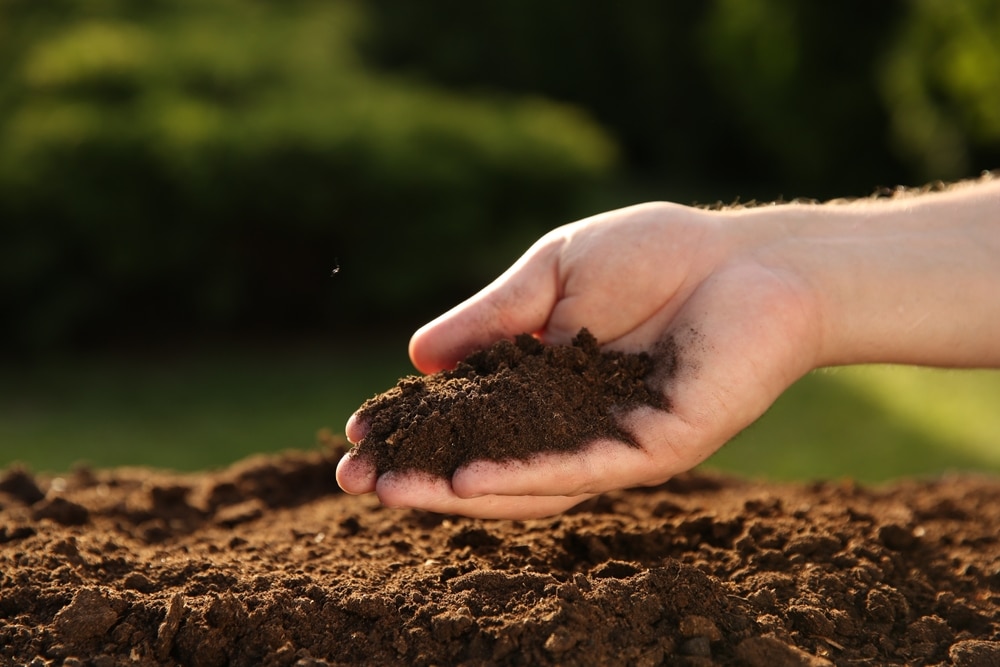
Preparing Soil with Topsoil for Pre-Fall Lawn Renewal
Late summer is an important planning window for lawn renewal. Cooler nights, more consistent moisture, and reduced heat stress can create favourable conditions for root development—but only when the soil is properly prepared. Whether the project involves a residential lawn, a commercial property, a condominium complex, or a high-traffic institutional site, the condition of the soil beneath the turf will influence how well grass seed or sod performs.
For landscaping professionals and contractors, successful fall lawn preparation begins with diagnosing the site rather than immediately adding material. The following five considerations can help determine when topsoil is enough, when sod is the practical choice, and how soil, seed, and turf can work together.
1. Treat Topsoil as a Growing Medium, Not a Cosmetic Cover
A thin layer of dark soil may make a lawn look prepared, but colour alone does not indicate quality. Before applying topsoil, examine the existing soil for compaction, drainage limitations, construction debris, and shallow rooting depth.
Topsoil should improve the lawn’s growing environment by supporting moisture retention, air movement, and root expansion. When correcting minor surface irregularities or improving seed-to-soil contact, a light, even application may be sufficient. Areas with significant grading problems or poor-quality fill may require more extensive soil preparation.
Avoid burying healthy existing grass beneath a heavy layer. For overseeding, topsoil should be lightly worked into aerated turf rather than left as a dense blanket that can smother established growth.
2. Schedule Aeration Around Soil Conditions—not the Calendar Alone
Pre-fall core aeration is most effective when the ground is slightly moist but not saturated. Soil that is too dry may resist penetration, while wet soil can smear and compact around the aeration holes.
On commercial properties, compaction is rarely uniform. Lawn edges near parking lots, loading areas, sidewalks, building entrances, and equipment routes typically experience more pressure than protected green spaces. A landscaping professional can use additional aeration passes in these high-traffic areas instead of treating the entire property uniformly.
Aerating before adding topsoil and grass seed gives the material places to settle and creates pathways for water, oxygen, and young roots. It also helps integrate new material with the existing soil, reducing the risk of creating disconnected layers.
3. Build Nutrient Support from Test Results
Applying fertilizer and topsoil at the same time does not automatically produce healthy turf. A soil test can identify pH concerns and nutrient deficiencies before amendments are selected. This is particularly valuable on large commercial sites, where unnecessary applications increase both material costs and maintenance requirements.
If organic matter is low, screened topsoil or compost-enriched soil can help improve soil structure. Starter fertilizer may support new grass seed or sod when testing indicates it is appropriate, but excessive nitrogen can encourage rapid blade growth before roots are established.
Think of nutrient layering as integration rather than stacking. Amendments should be incorporated into the upper growing zone so roots can move through a consistent soil profile.
4. Choose Seed or Sod According to the Site’s Operational Needs
Topsoil and grass seed are well suited to lawns with thinning turf, scattered bare areas, or sufficient time for establishment. Overseeding can strengthen turf density and introduce grass varieties better matched to sun exposure, moisture levels, or foot traffic.
Sod may be more practical when immediate coverage is required, erosion is a concern, or a commercial property cannot accommodate a lengthy establishment period. Entrances, event spaces, visible roadside areas, and sloped sections may benefit from sod because it provides a finished surface quickly.
However, sod does not eliminate the need for preparation. Installing it over compacted or poorly graded ground can produce shallow roots and uneven moisture. A prepared topsoil base helps sod make contact with the underlying soil and reduces air pockets.
Some projects benefit from combining both methods: sod can stabilize priority areas, while grass seed renews lower-traffic sections more economically.
5. Plan Establishment Around Property Use
Commercial lawn renovation involves more than horticulture. Irrigation schedules, pedestrian movement, mowing operations, deliveries, and tenant activity can all affect establishment.
Before seeding, contractors should identify how the area will be protected during germination. Temporary routing or clear site signage can prevent new growth from being compacted. Newly laid sod should also be protected from concentrated traffic until roots begin anchoring into the prepared soil.
Watering should keep the establishment zone evenly moist without creating runoff or pooling. As fall progresses, irrigation can be adjusted to encourage deeper root growth. Mowing should begin only when the new turf is tall enough, and the ground is firm enough to avoid rutting.
Build the Lawn from the Soil Up
Effective pre-fall lawn renewal is not simply a choice between topsoil, grass seed, and sod. It is a coordinated process involving soil assessment, aeration, amendment selection, installation timing, and site management. By matching the renovation method to the property’s soil conditions and operational demands, landscaping professionals can create stronger turf that enters winter with a better-developed root system.