
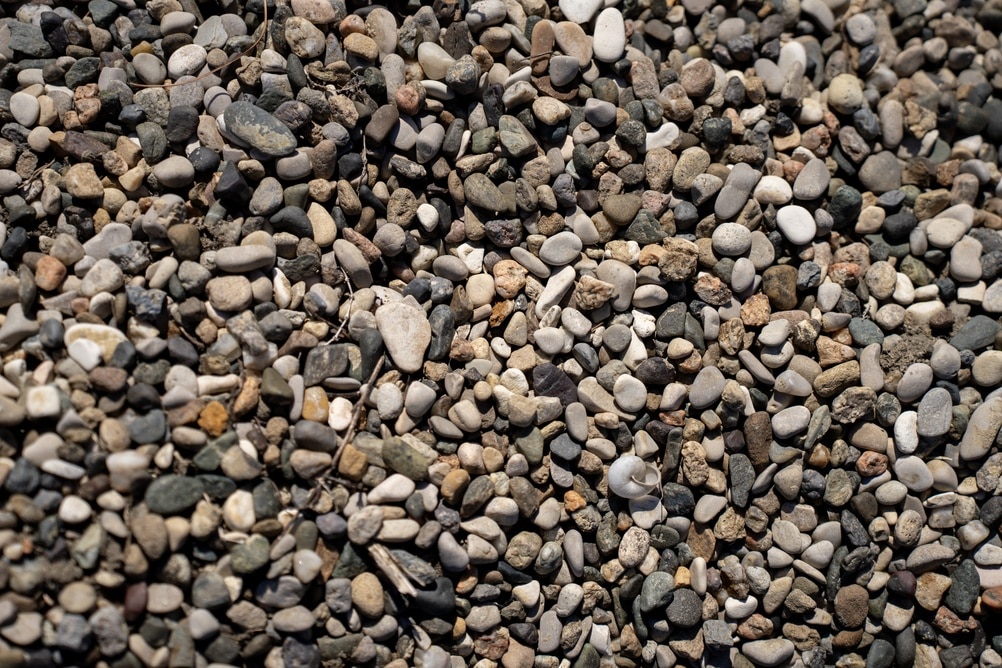
Gravel Drainage Systems That Solve Summer Runoff Issues
Summer storms can arrive quickly and deliver significant amounts of water in a short period of time. For landscaping professionals, managing runoff effectively is essential not only for protecting outdoor spaces but also for preserving hardscape investments, preventing erosion, and reducing long-term maintenance concerns. While drainage solutions often focus on pipes and underground systems, properly designed gravel drainage systems remain one of the most practical and versatile tools available.
When combined with thoughtful grading, strategic material selection, and supporting features such as a retaining wall, gravel-based drainage systems can help manage excess water while also improving the landscape’s functionality and visual appeal.
Understanding Why Summer Runoff Creates Problems
Many property owners assume runoff issues only occur during spring snowmelt. However, summer often presents its own challenges. Intense thunderstorms can overwhelm compacted soil, particularly on properties with slopes, hard surfaces, or poor drainage patterns.
As water moves across a site, it can wash away mulch, erode planting beds, undermine hardscape installations, and create standing water near foundations. In commercial settings, runoff can also impact parking lots, walkways, and outdoor gathering spaces.
The key to controlling these issues is slowing water movement while directing it toward areas where it can safely infiltrate the ground. This is where properly designed gravel drainage systems excel.
The Importance of Grading Before Installing Gravel
One of the most common drainage mistakes is relying solely on materials without addressing the underlying grade. Even the highest-quality gravel cannot compensate for poor site preparation.
Effective grading creates controlled pathways that guide water away from structures and vulnerable landscape features. Small elevation changes often make a significant difference in drainage performance.
Contractors should evaluate:
- Existing water flow patterns
- Low spots where water collects
- Soil compaction levels
- Nearby hardscape surfaces
- Foundation elevations
Once grading establishes the correct drainage direction, gravel can be used to reinforce those pathways and improve infiltration.
Choosing the Right Gravel for Drainage Applications
Not all gravel performs equally when managing runoff. Material size and composition directly influence water movement and drainage efficiency.
Larger gravel products typically create more void space, allowing water to move quickly through the surface. Smaller aggregates may provide a more finished appearance but can compact over time if not selected appropriately.
For many drainage projects, layered systems provide the best results. A coarse gravel base can support water movement while a decorative top layer delivers the desired aesthetic.
Landscaping professionals often find that combining gravel with carefully selected aggregates creates systems that balance performance, appearance, and durability.
Using Sand to Improve Drainage Performance
Although gravel receives most of the attention in drainage discussions, sand plays an equally important role.
Properly incorporated sand layers can help regulate water movement, improve filtration, and reduce the migration of fine soil particles into drainage areas. In some applications, sand acts as a transition layer between native soils and gravel systems.
The relationship between gravel and sand is particularly important in areas prone to erosion. When installed correctly, the combination can help stabilize drainage channels while maintaining water flow capacity.
Contractors working on sloped properties often use engineered layers of gravel and sand to create systems that manage runoff without encouraging soil displacement during heavy rainfall events.
French Drains Are Only Part of the Solution
French drains remain popular because they effectively collect and redirect water. However, successful summer runoff management often requires a broader approach.
Gravel swales, infiltration trenches, dry creek beds, and permeable landscape zones can all contribute to a comprehensive drainage strategy. These features work together to slow water movement and reduce the volume of runoff leaving the property.
Dry creek beds, in particular, have gained popularity because they serve dual purposes. During dry weather, they function as attractive landscape elements, while during storms, they channel water safely through the site.
When designed with the proper gravel size and depth, these systems can significantly reduce erosion concerns.
How a Retaining Wall Supports Drainage Systems
A retaining wall is often viewed as a structural feature, but it can also play a major role in drainage management.
On sloped properties, uncontrolled runoff frequently gains speed as it travels downhill. A properly engineered retaining wall can help break up elevation changes and create opportunities for water management throughout the landscape.
Many retaining wall installations incorporate drainage stone, gravel backfill, and drainage outlets behind the structure. These components relieve hydrostatic pressure while directing excess water away from the wall.
Without adequate drainage, even a well-constructed retaining wall can experience unnecessary stress over time. Integrating gravel-based drainage behind and around retaining walls helps protect both the structure and surrounding landscape.
Planning for Long-Term Performance
Summer drainage solutions should be designed with long-term maintenance in mind. Organic debris, sediment accumulation, and changing site conditions can gradually reduce drainage efficiency.
Routine inspections allow contractors to identify potential concerns before they become costly repairs.
Maintenance considerations include:
- Removing accumulated debris from gravel surfaces
- Checking for sediment buildup
- Monitoring drainage flow after major storms
- Inspecting retaining wall drainage outlets
- Replenishing gravel where displacement occurs
Well-maintained systems continue performing effectively year after year, even during periods of intense summer rainfall.
Building Smarter Drainage Systems
Managing runoff successfully requires more than simply moving water away from a problem area. The most effective landscapes work with natural water movement rather than fighting against it.
By combining proper grading, strategically selected gravel, supporting layers of sand, and structural elements such as a retaining wall, contractors can create drainage systems that reduce erosion, minimize flooding concerns, and improve overall site performance.
As summer storms become increasingly unpredictable, well-designed gravel drainage systems remain one of the most dependable tools for protecting landscapes while supporting long-term functionality and visual appeal.