
Aggregate Bases That Improve Fall Hardscape Performance
A hardscape surface may receive most of the visual attention, but its autumn performance is largely determined below grade. An effective aggregate base must distribute loads, control water movement, and remain stable as temperatures move repeatedly above and below freezing.
For landscaping contractors, fall installations bring an added challenge: soil moisture changes quickly, daylight hours shorten and overnight frost can interrupt compaction. Base preparation must therefore respond to actual site conditions—not simply follow the same material depths used throughout summer.
Treat the Base as a Drainage System
A base is more than a platform for patio stones or retaining wall blocks. It is also part of the site’s drainage system. Water that becomes trapped within poorly graded material can saturate the subgrade, reduce bearing capacity, and increase frost movement.
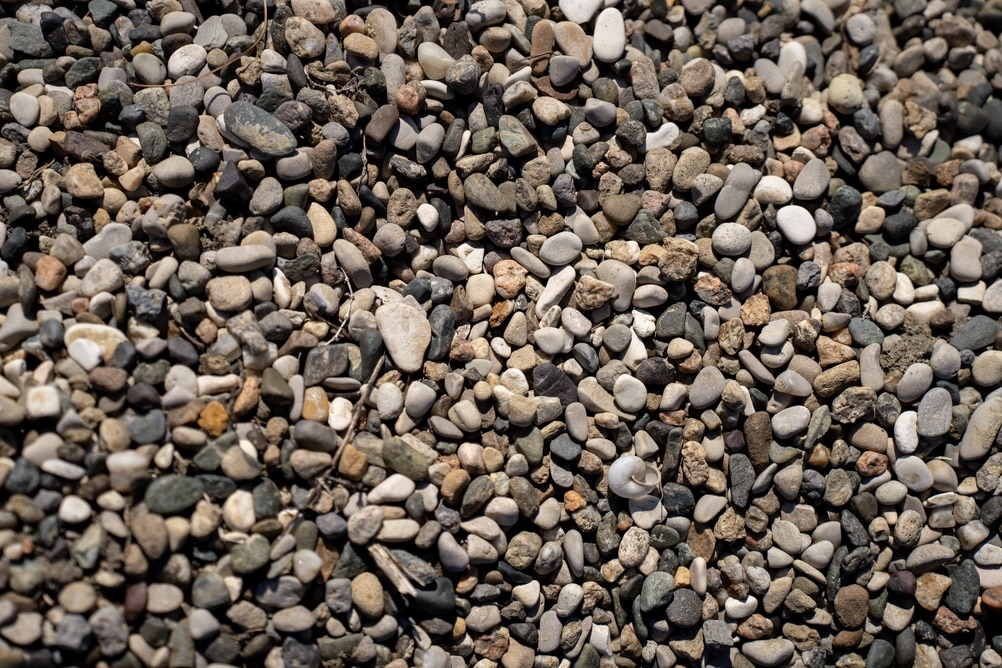
Dense-graded aggregate contains a range of particle sizes. When properly placed and compacted, smaller particles fill the spaces between larger stones, creating a stable, load-bearing layer. Open-graded aggregate contains fewer fines and allows water to move more freely. The right system depends on the application, soil conditions, drainage design, and manufacturer specifications.
Neither option eliminates the need for positive surface drainage. The finished hardscape should direct runoff away from buildings and vulnerable edges rather than expect the base to handle unlimited water.
Compact in Controlled Lifts
A thicker lift is not necessarily a faster lift. If aggregate is placed too deeply, compaction equipment may tighten the surface while leaving loose material below. That concealed weakness can later appear as rutting, settlement, or uneven paving.
Place and compact the base in controlled lifts suited to the aggregate type and equipment being used. Moisture content matters as much as machine size. Material that is too dry may resist proper particle rearrangement, while an overly wet base can pump, deform or hold tire impressions.
Fall weather makes moisture conditioning especially important. Aggregate delivered after heavy rain may behave differently from material placed during a dry afternoon. Contractors should inspect each lift, watch the response under compaction equipment, and confirm that the surface is firm before adding more material. On larger projects, density testing or documented proof rolling can provide valuable quality-control records.
Protect the Subgrade Before Building Upward
Even well-compacted crushed stone cannot compensate for a weak or disturbed subgrade. Organic soil, soft pockets, and construction traffic damage should be addressed before base installation begins.
A geotextile separator may be appropriate where soil and aggregate could intermingle, particularly over fine or moisture-sensitive soils. Its purpose is separation and stabilization—not automatic drainage or a substitute for excavation. Product selection should reflect site conditions and project specifications.
Transition zones deserve special attention. Areas beside utility trenches, drain lines, and previously disturbed soil often settle differently from undisturbed ground. Extending base preparation beyond these weak boundaries can reduce the chance of a visible crack or dip forming directly above them.
Use Sand for Its Intended Function
In many conventional paving systems, sand creates a thin bedding course that supports accurate final positioning. It should not be used to fill deep depressions or correct an uneven aggregate base. Thick, inconsistent pockets of bedding sand can settle and hold moisture differently from surrounding areas.
Before spreading sand, check elevations, slope, and edge restraint. Correcting base tolerances at this stage is more reliable than attempting to compensate while laying the finished surface. Where an open-graded base system is specified, use the compatible bedding material rather than automatically applying conventional concrete sand.
Build Retaining Wall Drainage into the Base
A retaining wall faces both vertical loading and lateral pressure, making drainage behind the wall essential. Its compacted base must be level, properly embedded, and wide enough for the selected wall system. Behind the blocks, clean drainage stone and an appropriate outlet help prevent hydrostatic pressure from developing.
The first course deserves careful attention because small elevation errors multiply as the wall rises. Fall leaves, wet soil, and mud can also contaminate drainage aggregate during construction. Keeping excavations and stockpiles covered helps preserve the intended drainage path.
Prepare for Freeze–Thaw Cycles Before Winter
Freeze–thaw durability does not come from adding extra aggregate without diagnosis. It comes from combining stable subgrade, suitable base material, complete compaction, effective drainage, and secure edge restraint.
Before leaving a fall installation overnight, protect unfinished areas from rainfall and frost. Avoid sealing wet material beneath the next lift, and establish clear stop-work criteria when the subgrade begins pumping, or frozen soil prevents reliable compaction. These decisions may slow one installation day but can prevent spring callbacks.
A well-built hardscape base manages load and moisture together. When contractors treat compaction, drainage layers, and fall site protection as one coordinated system, patios, walkways, and retaining walls are better positioned to remain level through winter and perform consistently for years.