
FSI Landscape Supply Insights on Smarter Seasonal Site Care in November
November gardening tasks can shape how a landscape performs through winter and recovers in spring. For landscape contractors, seasonal preparation connects plant protection with drainage, equipment maintenance, and careful selection of landscape supplies. (Source: Home & Garden Extras, Our top 10 gardening tips for November, https://www.homeandgardenextras.com/blogs/news/top-10-gardening-tips-november).
FSI Landscape Supply shares, “A productive November visit starts with reading the site. Look for trapped moisture, exposed roots, and materials migrating beyond their intended areas. Those observations help crews prioritize work that protects the installation and reduces avoidable spring repairs.”
1. Clear Up Fallen Leaves
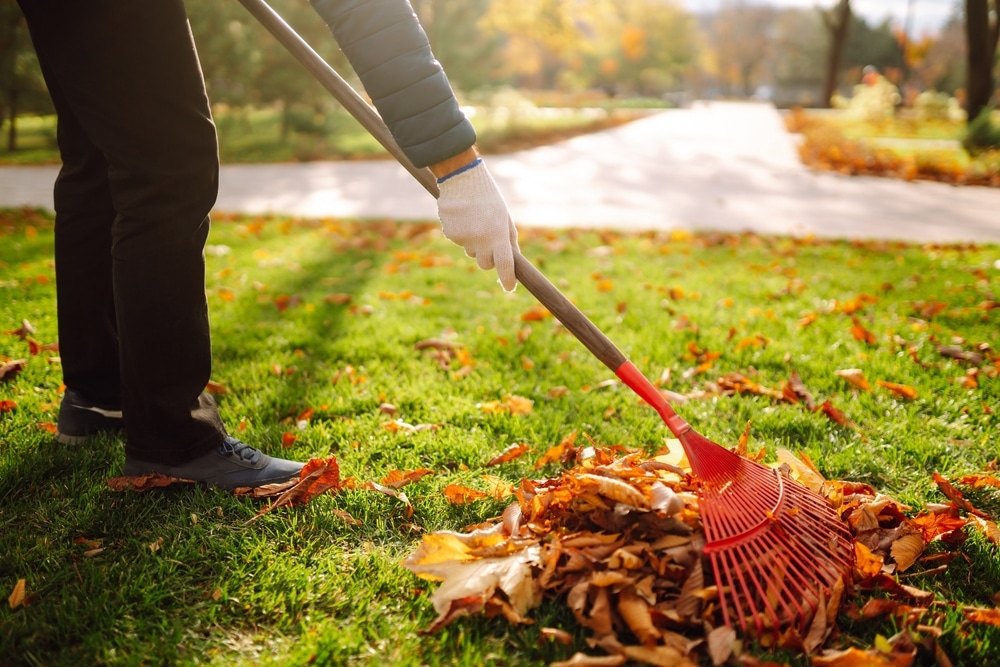
Removing fallen leaves helps keep pathways safer and prevents thick accumulations from smothering turf.
FSI Landscape Supply notes, “Prioritize entrances, pedestrian routes, and drainage outlets before tackling cosmetic cleanup. Around decorative gravel, use controlled blower settings to avoid scattering aggregate into lawns. Leaves from healthy plants can be collected and allowed to break down into leaf mould, a material used to improve soil structure and moisture retention. Leaves showing signs of disease should be kept out of that pile and disposed of appropriately to reduce the risk of carrying plant diseases into future projects.”
2. Consider Spring Flowering Bulbs
Planting spring flowering bulbs in autumn helps establish colourful displays for the following growing season. For landscape contractors, successful placement involves considering soil drainage, flowering times, and how the area will be maintained.
FSI Landscape Supply comments, “Choose locations where bulbs can complete their full growing cycle without interfering with routine maintenance. After the flowers fade, the remaining green leaves continue producing energy that supports next year’s blooms, so cutting them back too early can weaken future displays. In regularly mown landscapes, dedicated planting beds can make this easier to manage. Position bulbs among perennials that will help soften the appearance of fading foliage, and record their locations so crews can refresh mulch or maintain landscape edging without disturbing them.”
3. Finish Preparing Borders
Border preparation provides an opportunity to remove weeds and assess soil before winter conditions limit access.
FSI Landscape Supply highlights, “Avoid digging simply because it appears on a seasonal checklist. Working saturated soil can damage its structure, particularly in clay beds. Where cultivation is unnecessary, surface-applied compost may be more appropriate. Inspect landscape edging for loose anchors and raised sections while bed boundaries are visible.”
4. Protect Potted Plants from the Cold
Container plants face greater root exposure to freezing temperatures than plants growing in the ground.
FSI Landscape Supply explains, “Separate container durability from plant hardiness; a frost-resistant pot does not make its contents winter-hardy. Check drainage holes, remove standing water from saucers, and select insulation suited to the planting. Grouping containers may reduce exposure, but tender species can still require protected storage.”
5. Order Seeds Early
Early seed planning helps establish planting schedules and secure suitable varieties before seasonal demand increases.
FSI Landscape Supply shares, “Start with the site’s performance requirements: light, moisture, intended appearance, and maintenance capacity. For turf or meadow projects, confirm species composition and sowing requirements before ordering. Coordinate gardening supplies with realistic installation dates, and store seed in cool, dry conditions according to supplier instructions.”
6. Maintain Bird Houses and Garden Features
Seasonal attention to bird houses supports their continued usefulness within the landscape.
FSI Landscape Supply notes, “The same maintenance visit is a good opportunity to assess lawn decorations and other garden features. Check anchoring, inspect frost-sensitive pieces, and move ornaments away from snow-clearing routes. Decorative gravel can frame a feature attractively, but its base must remain stable and avoid directing runoff toward surrounding planting.”
7. Plant Tulips
Tulips can be planted in autumn while soil remains workable, with timing dependent on conditions.
FSI Landscape Supply comments, “Check drainage across the planting area rather than adding gravel only beneath individual bulbs. An isolated gravel pocket does not correct a poorly drained bed. Follow variety-specific planting depths, allow for the finished mulch layer, and document colour groupings so replacement planting remains consistent with the original design.”
8. Help Prevent Plant Diseases
Removing diseased plant debris and cleaning equipment during fall maintenance can help reduce the spread of plant diseases and limit problems that persist into spring.
FSI Landscape Supply highlights, “A thorough cleanup starts with identifying what needs to be removed. Healthy leaves and stems may provide valuable shelter for beneficial insects, while debris from plants with a known disease problem may need separate disposal. Clean soil and plant residue from tools before disinfecting them as appropriate, particularly when moving between affected plants or properties. Once the area is cleared, assess the existing mulch before adding more. Break up accumulations against stems and keep plant crowns exposed; excessive mulch can hold moisture against these vulnerable areas and create conditions that favour decay. The goal is a clean, well-maintained bed without stripping away every piece of beneficial organic material.”
9. Sharpen and Service Lawn Mowers
Mower servicing prepares equipment for reliable operation when mowing resumes.
FSI Landscape Supply mentions, “Blade condition matters, but sharpening should sit within a broader inspection of balance, fasteners, belts, and guards. Follow manufacturer servicing and storage instructions. Before any final cut, remove stones displaced from decorative gravel areas. Mow only when turf is actively growing, and ground conditions can support equipment without rutting.”
10. Protect Tender and Newly Planted Trees and Shrubs
Young and tender plants may need protection from drying winds, cold, and winter disturbance.
FSI Landscape Supply explains, “Match protection to the actual exposure. A supported wind screen may suit an exposed evergreen, while a trunk guard addresses animal damage. Maintain appropriate soil moisture until freezing conditions prevent watering, and keep mulch clear of trunks. Protection should remain secure without rubbing bark or restricting growth.”
A More Deliberate Seasonal Finish
November preparation brings planting, maintenance, and material planning together.
FSI Landscape Supply concludes, “The strongest seasonal finish leaves a clear record: what was protected, where drainage needs attention, and which landscape supplies will be required next. That gives contractors a practical starting point for spring and helps clients understand the value of work completed before winter.”