
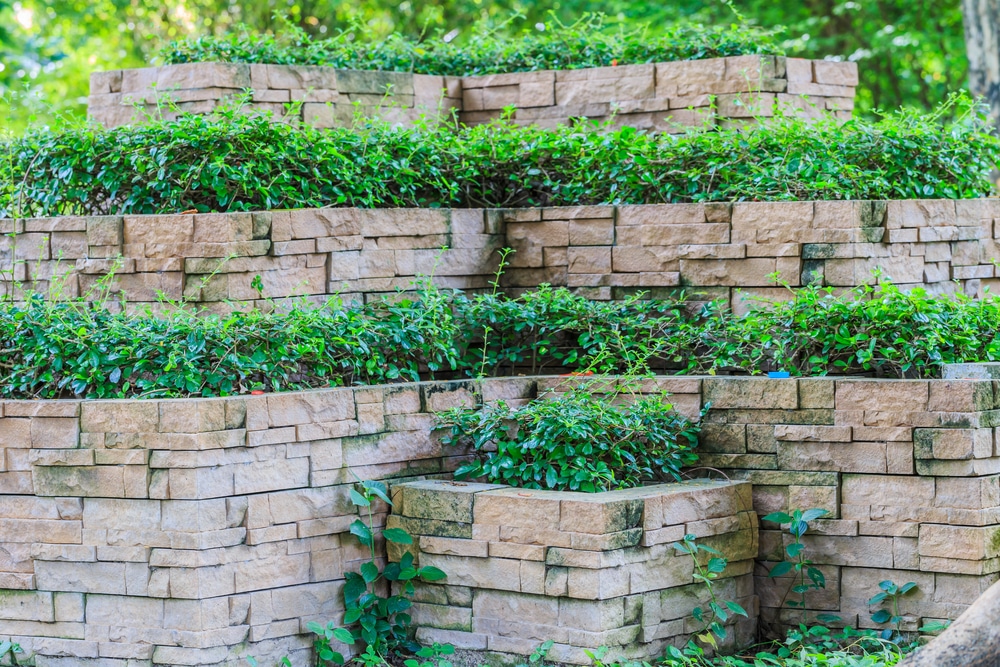
Retaining Wall Ideas for Multi-Level Gardens
Multi-level gardens continue to be a popular design solution for properties with slopes, elevation changes, or limited usable outdoor space. For landscaping professionals and contractors, these projects offer opportunities to transform challenging terrain into functional, visually appealing environments. At the center of many successful hillside landscapes is the retaining wall, which provides structural support while creating distinct outdoor living zones.
As property owners seek more usable outdoor areas, retaining walls are evolving beyond simple earth retention systems. Today’s projects often combine erosion control, drainage management, aesthetics, and long-term durability into a single integrated design. Whether working on residential backyards, estate properties, or commercial landscapes, understanding modern approaches to terracing and grade management can help deliver lasting results.
Why Multi-Level Gardens Continue to Gain Popularity
Sloped properties often present limitations that can make landscaping difficult. Uneven grades can reduce usable space, increase runoff, and complicate maintenance. A well-designed retaining wall system allows contractors to convert these challenging areas into organized terraces that support planting beds, patios, pathways, seating areas, and recreational spaces.
By creating multiple levels, landscapes gain visual depth and functionality. Rather than fighting against elevation changes, contractors can use them as design features that enhance the overall project.
The success of these installations begins with proper site evaluation, including assessment of soil conditions, drainage needs, and choosing appropriate materials like natural stone and engineered wall systems.
Terracing for Better Space Utilization
Terracing remains one of the most effective ways to maximize sloped landscapes. Instead of relying on a single tall retaining wall, multiple shorter walls can create a series of stepped levels that feel more natural and accessible.
This approach offers several advantages:
- Reduced pressure on individual wall sections
- Improved drainage management
- Increased planting opportunities
- Enhanced accessibility between levels
- Greater design flexibility
Each terrace can serve a different purpose. One level may feature decorative gardens, another a seating area, while additional terraces provide vegetable gardens, water features, or entertainment spaces.
Using natural stone throughout these terraces helps create a cohesive appearance while blending with the surrounding environment. Stone textures and colour variations often complement planting materials and soften the structural nature of the retaining wall system.
Designing Retaining Walls for Hillside Stability
Hillside projects require careful planning to ensure long-term performance. While aesthetics are important, the primary role of a retaining wall is to manage soil pressure and stabilize the slope.
Many erosion issues begin when water accumulates behind walls or travels unchecked down a hillside. Proper drainage systems are, therefore, critical components of any installation.
Contractors often incorporate:
- Perforated drainage pipe
- Drainage fabric
- Clean aggregate backfill
- Surface water management systems
- Swales and collection points
The use of quality aggregate behind retaining walls helps facilitate water movement and reduce hydrostatic pressure. This not only improves wall longevity but also helps protect surrounding landscape features from water-related damage.
When drainage and structural considerations are addressed early in the design phase, contractors can significantly reduce maintenance issues in future seasons.
Combining Function and Visual Appeal
Retaining walls have become architectural features in modern landscape design. Rather than simply serving as structural elements, they now contribute significantly to the overall appearance of outdoor spaces.
Natural stone remains a popular choice because it delivers both durability and visual character. Stone retaining walls can complement traditional, contemporary, rustic, and luxury landscape designs while offering exceptional longevity.
Contractors often use varying wall heights, curved layouts, integrated seating, and planting pockets to create visual interest throughout a multi-level garden. Layered plantings can further soften wall faces and create transitions between terraces.
Lighting can also play an important role. Integrated fixtures along retaining walls help define pathways, highlight textures, and improve nighttime usability.
Managing Erosion Through Strategic Wall Placement
Erosion control remains one of the primary reasons clients invest in retaining walls. Properties with significant slopes can experience soil movement during heavy rainfall, snowmelt, and seasonal freeze-thaw cycles.
Strategically positioned retaining wall systems help slow water movement while securing vulnerable areas. Rather than allowing runoff to gain momentum down a slope, terraces interrupt water flow and encourage infiltration.
Combining retaining walls with proper grading and vegetation can create highly effective erosion management systems. Deep-rooted plant materials help stabilize soil between levels, while aggregate drainage layers support moisture management behind walls.
This integrated approach often produces more sustainable results than relying on a single solution alone.
Creating Outdoor Rooms Across Multiple Levels
One growing trend in landscape construction is the creation of outdoor rooms within multi-level gardens. Instead of treating the property as one continuous space, contractors can design distinct functional zones connected through retaining walls, steps, and pathways.
Examples may include:
- Dining terraces
- Fire pit areas
- Garden retreats
- Outdoor kitchens
- Water feature zones
- Viewing platforms
Retaining walls help define these spaces while maintaining structural integrity across changing elevations. Natural stone materials can further enhance the sense of permanence and sophistication throughout the project.
This design strategy allows homeowners to enjoy multiple experiences within a single landscape while making full use of difficult terrain.
Material Selection Matters
The success of any retaining wall project depends heavily on selecting appropriate materials. Factors such as wall height, soil conditions, climate, and project goals all influence material choices.
Natural stone remains a preferred option for many premium projects due to its timeless appearance and durability. At the same time, quality aggregate products play a critical role behind the scenes by supporting drainage and structural performance.
When materials are selected with both aesthetics and engineering requirements in mind, contractors can deliver retaining wall systems that remain attractive and functional for decades.
Building Long-Term Value Into Sloped Landscapes
Multi-level gardens offer far more than visual appeal. They help solve practical challenges associated with sloped properties while creating usable outdoor environments that clients can enjoy throughout the year.
Through thoughtful terracing, proper drainage design, strategic use of aggregate, and the incorporation of natural stone, landscaping professionals can create retaining wall systems that balance beauty and performance.