
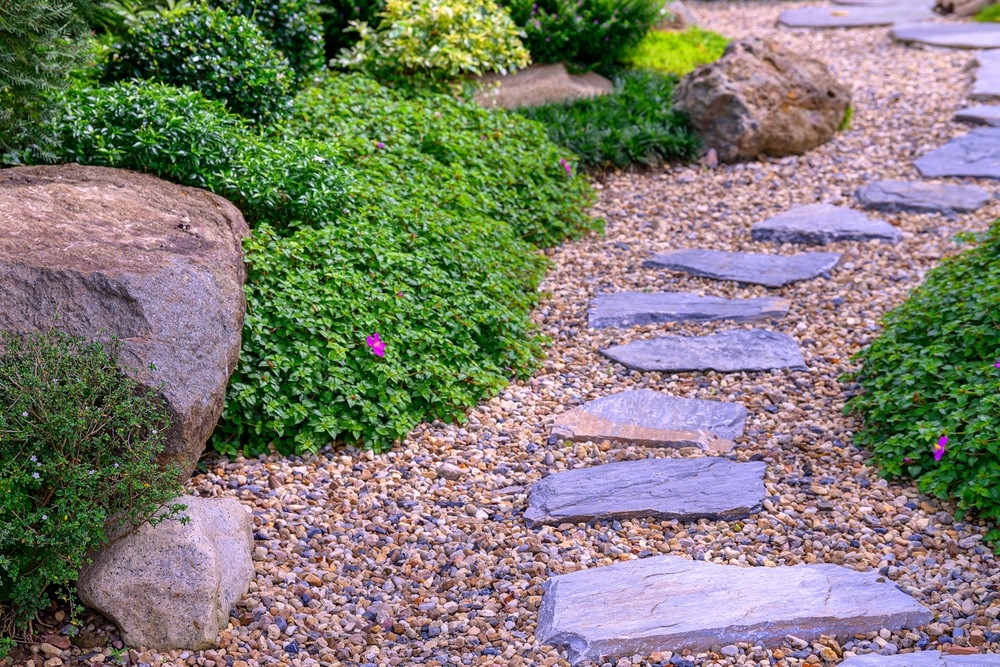
Gravel Path Designs That Stay Cool in Summer Heat
Summer heat can transform outdoor spaces, affecting both appearance and functionality. For landscaping professionals and contractors, designing pathways that remain comfortable during hot weather is becoming an increasingly important consideration. While many clients focus on aesthetics, the temperature of a pathway can significantly influence how often it is used and how well it integrates into the overall landscape.
When planning a pathway, the choice of gravel, colour palette, installation methods, and surrounding materials all play a role in heat management. Understanding how different materials react to sunlight can help create outdoor spaces that remain inviting throughout the warmest months of the year.
Why Some Gravel Paths Feel Hotter Than Others
Not all pathway materials absorb heat in the same way. Just as dark clothing becomes warmer in the sun than light-coloured clothing, pathway materials vary in their ability to retain and release heat.
Darker aggregates tend to absorb more solar energy, thereby raising surface temperatures throughout the day. Black, charcoal, and deep brown materials may look striking, but they can become noticeably hotter than lighter alternatives during prolonged sun exposure.
Lighter-coloured gravel reflects a greater portion of sunlight rather than absorbing it. Materials in shades of beige, cream, light grey, and soft tan often remain cooler underfoot, making them attractive options for pathways in exposed areas.
However, colour is only one factor. Stone density and composition can also influence heat retention. Certain natural stone aggregates release stored heat more quickly in the evening, while others continue radiating warmth long after sunset.
The Role of Decorative Gravel in Temperature Control
Many contractors select decorative gravel primarily for visual appeal, but it can also contribute to temperature management.
Larger decorative stones often create small air pockets between individual pieces. These spaces encourage airflow, which can help dissipate heat more efficiently than tightly packed surfaces.
Rounded decorative gravel may also offer advantages over certain crushed materials because sunlight strikes irregular surfaces at different angles, reducing concentrated heat buildup in some situations.
When selecting decorative gravel, balancing aesthetics with practical performance can help create pathways that remain visually appealing while offering greater comfort during summer months.
Colour Selection Beyond Appearance
Pathway colour should be viewed as both a design and performance decision.
Light grey aggregates remain popular because they complement a wide range of landscape styles while helping reduce heat absorption. Soft buff tones and natural limestone colours also perform well in sunny environments.
Contractors can further enhance visual interest by blending multiple shades rather than relying on a single colour. Combining light-coloured aggregates creates texture and depth while maintaining the reflective qualities that contribute to cooler pathway surfaces.
In larger projects, colour transitions can be used strategically. Areas exposed to full sun may benefit from lighter gravel, while partially shaded sections can accommodate darker materials without creating excessive temperature differences.
Integrating Shade Into Pathway Design
Material selection is only one part of creating cooler pathways. The surrounding landscape is just as crucial in managing pathway temperatures.
Trees, pergolas, shrubs, and vertical plantings can significantly limit direct sunlight exposure to the pathway surface. Even partial shade during peak afternoon hours can lower surface temperatures.
For contractors designing new landscapes, pathway placement should be considered alongside future plant growth. A young tree may offer limited shade initially, but over time it can become an important component of a cooling strategy.
Layered planting designs can also reduce reflected heat from nearby hardscape features such as patios, retaining walls, and driveways.
Landscape Edging and Heat Performance
The choice of landscape edging can influence pathway temperature more than many people realize.
Metal edging, dark concrete borders, and certain synthetic materials can absorb and radiate heat toward adjacent pathway surfaces. In contrast, lighter-coloured stone edging or natural materials often contribute less to heat buildup.
Properly installed landscape edging also helps maintain pathway integrity by preventing material migration. Stable edges reduce the need for frequent replenishment and help preserve the intended depth of the pathway.
Another advantage of effective landscape edging is moisture retention. By keeping pathway materials properly contained, edging can help support more consistent drainage patterns and reduce dry spots that may contribute to excessive heat accumulation.
Maintenance Considerations During Summer
Heat management and maintenance are closely connected.
Dust generation often increases during prolonged dry periods. Finer aggregates may break down over time, creating dusty surfaces that require additional attention.
Selecting the appropriate gravel size can help minimize maintenance demands while preserving appearance. Larger aggregates generally resist displacement better than finer materials and may maintain their structure more effectively during periods of heavy foot traffic.
Regular raking also helps prevent compacted areas from forming. Compaction can reduce airflow between stones, potentially increasing heat retention and affecting drainage performance.
Contractors should also monitor weed growth, as unmanaged vegetation can disrupt pathway consistency and alter heat distribution across the surface.
Permeability Matters
One often-overlooked factor in pathway cooling is permeability.
Permeable gravel installations allow rainwater to move through the surface rather than collecting on top. Moisture retained within the underlying base layers can help moderate temperature fluctuations, particularly during early morning and evening hours.
This characteristic makes gravel pathways a practical option for landscapes focused on sustainable water management. Proper base preparation and material selection ensure that permeability remains effective throughout the life of the installation.
When paired with appropriate landscape edging, permeable pathways can provide both environmental benefits and improved summer comfort.
Designing for Long-Term Comfort
As outdoor living spaces continue to evolve, pathway design is becoming more focused on usability rather than appearance alone. Cooler pathways encourage movement throughout the landscape, improve accessibility, and contribute to a more enjoyable outdoor experience.
By carefully selecting decorative gravel, choosing lighter colours, incorporating shade elements, and installing effective landscape edging, contractors can create pathways that perform well even during extended periods of summer heat.
A successful pathway balances aesthetics, durability, maintenance requirements, and environmental performance. With thoughtful planning, gravel pathways can remain attractive, functional, and comfortable throughout the hottest months of the year while continuing to enhance the overall character of the landscape.