
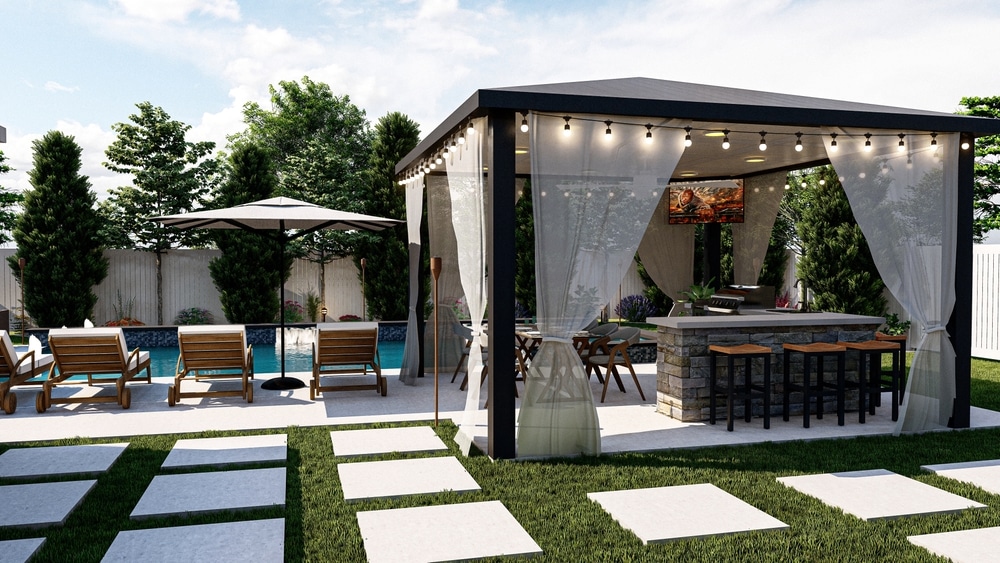
Low-Allergen Landscaping Supplies for Sensitive Clients
As awareness of environmental sensitivities grows, many property owners are paying closer attention to how outdoor spaces affect their comfort and well-being. Seasonal allergies are often associated with pollen-producing plants, but landscaping materials themselves can also contribute to airborne irritants, dust accumulation, moisture retention, and mold development. For landscaping contractors, selecting low-allergen landscaping supplies can help create outdoor environments that are both functional and comfortable for a wide variety of clients.
From choosing the right mulch to sourcing cleaner decorative gravel and breathable soil blends, material selection has become an increasingly important part of modern landscape planning.
Looking Beyond Plant Selection
Traditionally, allergy-conscious landscaping focused heavily on plant choices. While selecting low-pollen trees, shrubs, and flowers remains important, the hardscape and ground-cover materials used throughout a project can have an equally significant impact.
Many clients experience irritation from excessive dust, mold spores, or fine particulate matter that becomes airborne during dry weather. By carefully selecting landscaping supplies that minimize these concerns, contractors can offer solutions that create cleaner, more comfortable outdoor environments.
The conversation is no longer just about what grows in a landscape—it is also about what lies beneath it.
Dust-Free Decorative Gravel Options
One often-overlooked source of airborne irritation is poorly processed decorative gravel. Lower-quality materials often contain excessive fines, dust, and loose particles that become airborne during installation or periods of dry weather.
Contractors can reduce these concerns by sourcing washed decorative gravel products that have undergone thorough cleaning and screening processes. Washing removes much of the fine sediment that contributes to dust clouds during installation and ongoing use.
Decorative gravel offers several additional benefits for sensitive clients:
- Reduced moisture retention compared to organic ground covers
- Minimal decomposition over time
- Lower maintenance requirements
- Excellent drainage characteristics
- Long-term visual consistency
Many landscaping professionals are incorporating decorative gravel into pathways, seating areas, xeriscape designs, and low-maintenance commercial properties where cleanliness and durability are priorities.
Choosing Mulch with Lower Mold Potential
Mulch remains one of the most valuable materials in landscape design, helping regulate soil temperature, suppress weeds, and conserve moisture. However, not all mulch products perform equally when it comes to allergen management.
Certain organic mulches can retain excessive moisture, creating conditions that encourage fungal growth and mold development. For sensitive clients, this may contribute to discomfort, particularly in shaded or poorly ventilated areas.
Landscaping contractors can reduce potential issues by selecting mulch products that promote better airflow and drainage. Larger shredded bark materials often allow greater air movement than finer products that compact tightly over time.
Proper installation also matters. Excessively deep mulch layers can trap moisture and reduce airflow near the soil surface. Maintaining appropriate application depths helps maximize the benefits of mulch while minimizing unwanted moisture buildup.
Routine inspections throughout the season can further ensure that mulch remains healthy and performs as intended.
Breathable Soil Blends Support Healthier Landscapes
Healthy soil serves as the foundation of every successful landscape. Poorly drained soil can contribute to standing water, fungal growth, root stress, and other conditions that may affect both plant performance and outdoor comfort.
Modern soil blends designed for landscaping applications often incorporate carefully balanced ingredients that improve drainage and aeration. These breathable mixes help create stable growing environments while reducing excess moisture accumulation.
For contractors, selecting high-quality soil blends offers several advantages:
- Improved root development
- Better water infiltration
- Reduced compaction
- Enhanced microbial balance
- Lower risk of prolonged moisture retention
When combined with appropriate aggregates, breathable soils can support healthier landscapes while helping minimize conditions that may contribute to mold growth.
The Role of Aggregates in Allergy-Conscious Design
Aggregates are frequently viewed as structural materials, but they can also contribute to healthier outdoor environments.
Crushed stone, screening products, drainage stone, and other aggregates help control water movement throughout a property. Effective drainage reduces opportunities for moisture accumulation that can lead to fungal growth, standing water, and other environmental concerns.
Strategically placed aggregates can be used in:
- Drainage systems
- French drains
- Permeable walkways
- Foundation protection zones
- Rainwater management projects
As climate patterns continue to produce more intense rainfall events, proper drainage planning has become increasingly important for both landscape performance and long-term property health.
Natural Stone Offers Long-Term Stability
Natural stone is recognized as one of the most durable and long-lasting materials available for landscaping projects, and environmentally stable materials available to landscaping professionals.
Unlike some organic materials that break down over time, natural stone provides a long-lasting surface that does not contribute significant organic debris or decomposition-related concerns. Its durability makes it particularly attractive for clients seeking low-maintenance outdoor spaces.
Applications for natural stone include:
- Walkways
- Retaining walls
- Garden borders
- Outdoor living spaces
- Decorative focal points
Because natural stone typically requires minimal replacement and maintenance, it can also reduce the disturbance of landscape materials over the lifespan of a project.
Material Quality Matters More Than Ever
One emerging trend among landscaping professionals is greater scrutiny of material sourcing and processing methods. High-quality landscaping supplies often undergo more rigorous screening, washing, and handling procedures that improve consistency and cleanliness.
Whether selecting mulch, decorative gravel, aggregates, or natural stone, investing in better-quality materials frequently results in improved project performance and client satisfaction.
For contractors working with allergy-conscious homeowners, schools, healthcare facilities, or commercial properties, these decisions can make a noticeable difference in the overall experience of a landscape.
Building Landscapes for Modern Client Needs
Today’s clients increasingly view landscaping through the lens of wellness, comfort, and environmental quality. While plant selection remains important, the supporting materials used throughout a project deserve equal consideration.
By incorporating cleaner decorative gravel, thoughtfully selected mulch, breathable soil blends, properly installed aggregates, and durable natural stone, landscaping professionals can create outdoor spaces that balance aesthetics, functionality, and comfort.
As expectations continue to evolve, choosing the right landscaping supplies is becoming an essential part of delivering landscapes that perform beautifully while supporting the diverse needs of modern property owners.