
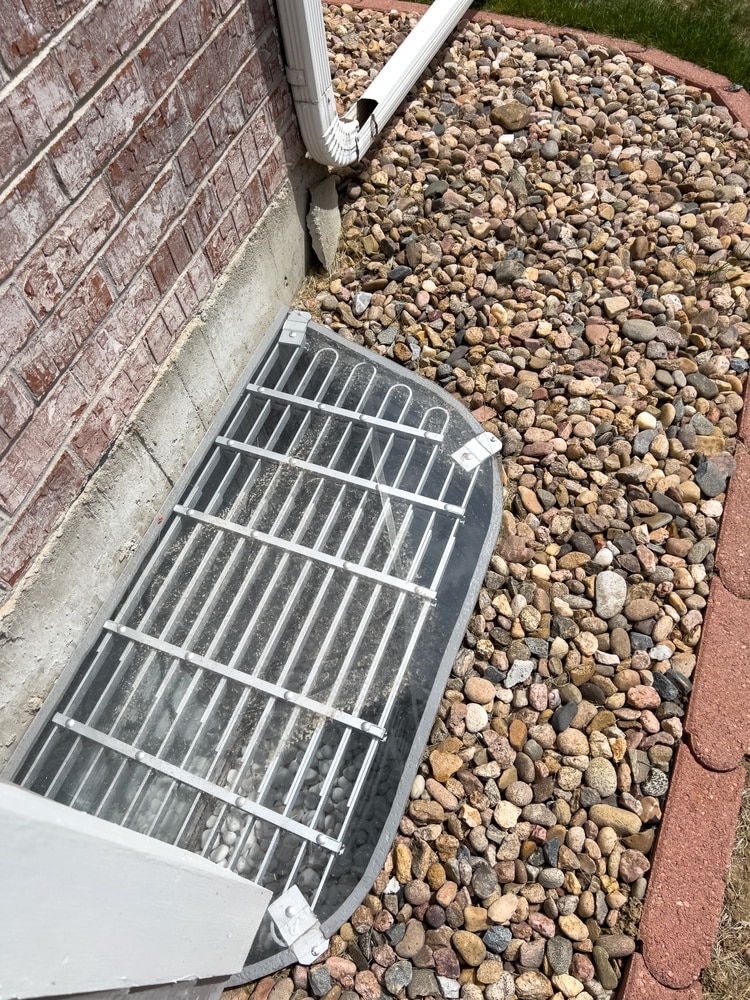
Why Proper Drainage Prevents Hardscape Failure
Hardscapes are built to last, but water is often what determines whether they actually do. Poor drainage is one of the most common reasons patios shift, walkways settle, and retaining walls fail. For landscaping professionals, understanding how water interacts with every layer of a build is not optional. It is what separates work that holds up for years from work that starts breaking down after a single season.
Water Is the Hidden Load
Most failures are not caused by the visible load on a hardscape surface. They come from water moving underneath it. When water is not directed away properly, it saturates the base, weakens compaction, and creates movement. Freeze-thaw cycles only make this worse. Water expands when it freezes, pushing materials apart and leaving voids when it thaws.
Even a well-laid paver system can fail if water is allowed to collect beneath it. The issue is not always obvious right away. Often, the surface looks fine at install, but small inconsistencies in slope or base preparation allow water to pool. Over time, those small issues turn into uneven settling or heaving.
Slope Is Not Just a Detail
Proper slope is the first line of defense. A common guideline is a minimum slope of 2 percent, but the real focus should be consistency. Uneven grading creates pockets where water collects, even if the overall slope meets standard recommendations.
It is also important to think beyond the surface layer. Contractors sometimes focus on the visible pitch of pavers or slabs, but the base layers must follow the same slope. If the aggregate base is flat while the surface is sloped, water will still sit below and cause long-term issues.
Transitions between surfaces need attention as well. Areas where a patio meets a walkway or where hardscape meets softscape are common problem zones. If water is not guided cleanly across these transitions, erosion and undermining can begin at those edges.
The Role of Aggregate in Drainage
Aggregate is not just structural. It is a drainage system in itself. The type and gradation of aggregate used in the base directly affect how water moves through the system.
Open-graded aggregate allows water to pass through quickly, reducing hydrostatic pressure and minimizing saturation. In contrast, dense-graded materials can trap water if not paired with proper drainage outlets. Choosing the right aggregate for the soil conditions and climate is critical.
Layer thickness also matters. A base that is too thin cannot distribute water effectively, especially in areas with heavy rainfall or clay soils. A thicker aggregate base provides both stability and space for water to move without compromising the surface above.
Compaction should not be overlooked either. Over-compaction can reduce permeability, while under-compaction leads to instability. The goal is a balanced base that supports load while still allowing water movement.
Sand Layers and Their Limitations
Sand is often used as a bedding layer, but it should not be relied on for drainage. While sand can allow some water movement, it is not designed to manage large volumes of water. When saturated, sand can shift, leading to uneven surfaces and joint instability.
Using the right type of sand is important. Coarse, angular sand performs better than fine, rounded sand because it resists movement and maintains structure. However, even the best sand cannot compensate for poor drainage design in the base layers.
In high-moisture environments, some contractors are moving toward alternative bedding systems that reduce reliance on traditional sand. These systems can provide more consistent performance, especially in freeze-thaw conditions.
Retaining Walls and Hydrostatic Pressure
Drainage becomes even more critical when dealing with a retaining wall. Water buildup behind a wall creates hydrostatic pressure, which can lead to bulging, cracking, or complete failure.
Proper drainage behind a retaining wall includes several components. A free-draining aggregate backfill helps move water downward. Drain pipes at the base of the wall carry water away from the structure. Weep holes or outlets allow water to escape rather than build up.
Geotextile fabric also plays a role by preventing soil from clogging the drainage system. Without it, fine particles can migrate into the aggregate and reduce its effectiveness over time.
Ignoring any of these elements increases the risk of failure. Even a well-built retaining wall can fail if water has nowhere to go.
Erosion Starts Where Water Slows Down
Erosion is often a symptom of poor drainage design. When water is not directed efficiently, it slows down and begins to carry away fine particles. This is especially common at the edges of hardscapes or at discharge points.
Managing water flow means considering where it goes after leaving the hardscape. Downspouts, swales, and drainage channels should all work together to move water away from the site without causing damage elsewhere.
Edge restraints and proper compaction help protect against erosion, but they are not enough on their own. The entire system must be designed to handle both everyday water flow and heavy rain events.
Planning for Real Conditions
Every site is different. Soil type, climate, and surrounding structures all influence how water behaves. A drainage plan that works in sandy soil may fail in clay. A design that holds up in a dry climate may struggle in areas with frequent freeze-thaw cycles.
Taking the time to assess site conditions before installation can prevent costly repairs later. This includes understanding natural water flow, identifying low points, and planning for extreme weather events.
The Long-Term Payoff
Proper drainage is not always visible, but it is what keeps hardscapes performing over time. Clients may notice the surface finish first, but they will remember how the installation holds up.
For contractors, investing in drainage is about reducing callbacks, protecting reputation, and delivering work that lasts. It is not an add-on feature. It is the foundation of every successful hardscape project.
Don’t let poor drainage undo your work. Get the materials and expertise you need at FSI Landscape Supply and build hardscapes that last.