
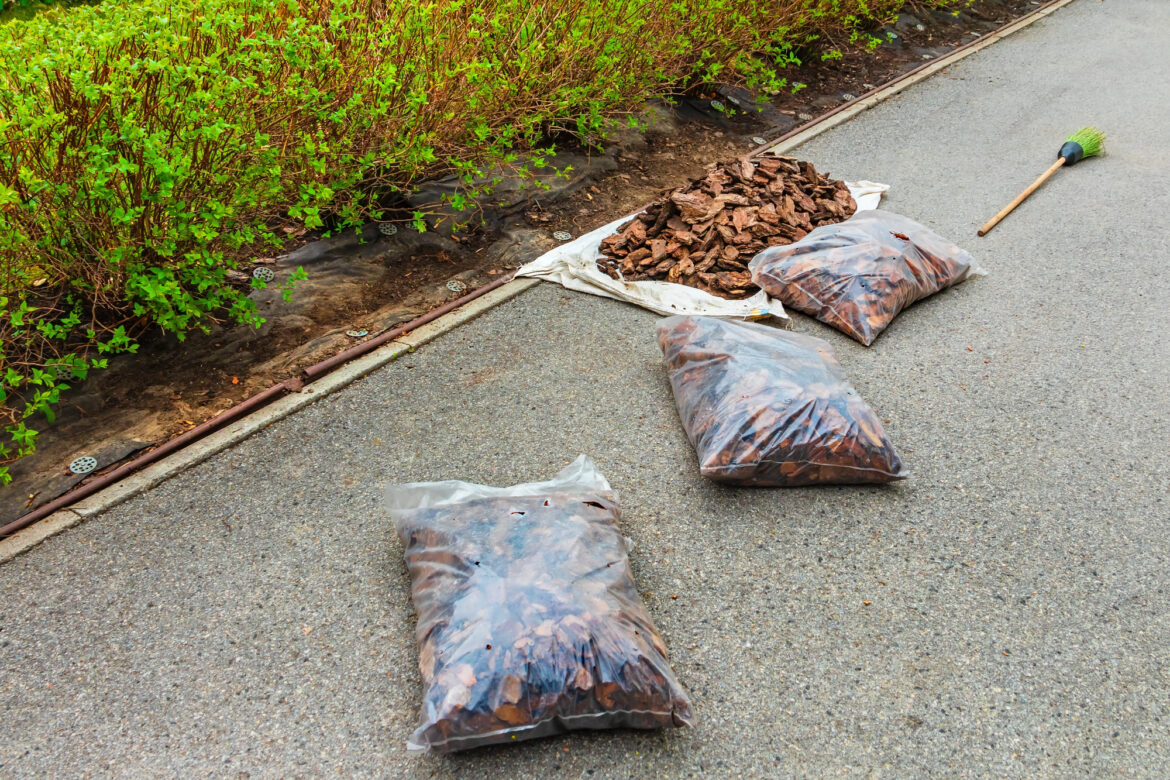
Why Mulch Matters Most During Early Spring Landscaping
Early spring is one of the most influential moments in the landscape calendar. Decisions made during this window shape how a property performs for the rest of the season. Among all materials used in spring prep, mulch does more heavy lifting than it’s often given credit for. For landscaping professionals, mulch isn’t a finishing touch. It’s a functional layer that directly affects moisture control, weed pressure, soil performance, and client perception.
Moisture retention starts before heat arrives
Most people associate moisture retention with summer stress, but spring is when the foundation is set. Soil emerging from winter is unstable. Freeze-thaw cycles, snowmelt, and early rains leave moisture unevenly distributed. Bare soil dries faster than expected once temperatures fluctuate, especially on commercial sites exposed to wind and sun.
Applying mulch early creates a buffer before evaporation becomes aggressive. It slows surface moisture loss while allowing soil below to regulate itself. This is particularly important when new plantings are going in or when topsoil has been recently graded. Fresh topsoil dries faster than established ground, and without mulch, irrigation efficiency drops fast.
Professionals who mulch early often find they can reduce watering frequency later, which matters when managing multiple properties or large-scale installs. Moisture consistency also supports better root development, which leads to stronger plants and fewer callbacks.
Weed control is about timing, not thickness
Weed control is often framed as a volume game. More mulch equals fewer weeds. In practice, timing matters just as much as depth. Early spring mulch interrupts weed germination before it gains momentum. Many problem weeds emerge when soil temperatures rise just a few degrees. A properly timed mulch layer blocks light and stabilizes soil temperature, delaying or preventing that first flush.
This matters for crews because early suppression reduces labor later. Every weed that doesn’t establish in April is one less plant to pull or spray in June. Mulch also helps keep pre-emergent applications in place by reducing erosion and surface runoff during spring rains.
On sites where landscape supplies are budgeted tightly, early mulch application can offset costs by reducing seasonal maintenance hours. That’s a value point clients may not articulate, but they feel it when invoices stay predictable.
Soil health benefits go beyond nutrients
Mulch contributes to soil health in ways that aren’t always visible in the short term. As organic mulch breaks down, it feeds microbial activity, improves soil structure, and increases water infiltration. Early spring is when soil biology reactivates after winter dormancy. Adding mulch at this stage supports that transition.
This is especially important on properties with compacted soil or heavy foot traffic. Mulch softens the impact of rain, prevents crusting, and protects newly amended topsoil from erosion. Over time, this improves root penetration and reduces surface runoff, which is critical for sloped or high-visibility sites.
For contractors managing long-term properties, consistent spring mulching gradually improves soil performance year over year. That makes turf and plant material more resilient, even under stress.
Mulch protects the investment below it
Mulch acts as insurance. Early spring storms can wash away exposed topsoil or create ruts that require regrading. Mulch holds everything in place while sites settle.
This is particularly relevant on new construction projects where soil profiles are thin and unstable. Applying mulch immediately after installation protects both the soil and the contractor’s reputation. Clean beds that stay intact through spring weather communicate professionalism without saying a word.
Mulch also reduces splash-back on structures and hardscapes, keeping surfaces cleaner and cutting down on cleanup time. That detail matters on commercial properties where appearance is scrutinized daily.
Aesthetic value sets the tone for the season
Clients notice landscapes most in early spring. It’s when properties transition from dormant to active, and expectations are high. Mulch defines beds, sharpens edges, and creates contrast before plants fully leaf out. That visual structure makes landscapes look intentional, even when growth is still catching up.
For professionals, this is a strategic moment. Fresh mulch early in the season reinforces the perception of proactive care rather than reactive maintenance. It also buys time. Beds look complete even if perennials haven’t emerged or annuals aren’t installed yet.
Color choice and consistency matter here. Using the same mulch across a property ties everything together and makes future touch-ups less noticeable. It’s a small decision with long-term visual payoff.
Early mulch simplifies the rest of the year
From a workflow standpoint, early spring mulching smooths the season. Crews work more efficiently before peak growth hits. Equipment access is easier, beds are visible, and weather windows are more forgiving. Waiting until late spring often means working around established growth, increased weed pressure, and tighter schedules.
Using quality landscape supplies early also helps avoid shortages later. Mulch demand spikes quickly once spring is in full swing. Contractors who plan ahead, maintain consistency, and avoid scrambling when supply chains tighten.
Mulch is a strategic layer, not an afterthought
For landscaping professionals, mulch isn’t decorative. It’s a performance layer that affects water use, labor costs, soil condition, and client satisfaction. Early spring is when mulch delivers its greatest return because it works with the season instead of chasing it.
Applied at the right time and with intent, mulch protects the work below it, reduces work above it, and sets the stage for a smoother, more profitable season.